

Installing window shutters improves privacy, airflow, and light control while adding a neat, finished look to any room. Getting the steps right ensures the shutters fit evenly and work smoothly without gaps or rattling.
This guide explains the process in clear, simple terms so you can measure, fit, and align each shutter with confidence. You will find practical advice on choosing the right materials, preparing the window area, and checking alignment at every stage.
Whether you want to do the job yourself or understand what to expect from an installer, these steps will help you achieve a clean and balanced result that lasts.
1. Measure Twice (and Then Once More)
Accurate measuring is the most important part of installing shutters. Even a few millimetres off can cause the panels to sit unevenly or stop them from closing properly. Start by checking that the window frame is clean, straight, and square before you begin.
Measure the width and height of each window in three areas: top, middle, and bottom. Record the smallest measurements for a tight, even fit. Always use millimetres to keep the numbers precise.
If you plan to install the shutters yourself, decide whether you want them mounted inside the recess or on the wall surface. Inside mounts look neat and tidy, while outside mounts can make the window appear larger. Double-check your figures to avoid gaps or alignment problems later.

2. Pick the Right Shutter Type
Choosing the right shutter type makes a big difference to how your windows look and perform. Around Newcastle and Lake Macquarie, plantation shutters are a popular choice because they handle the coastal weather and suit most interiors.
PVC shutters work best in areas with moisture, such as bathrooms, kitchens, and laundries. They are durable, easy to maintain, and resist humidity. Timber shutters add warmth and texture, making them ideal for bedrooms and living rooms where style matters as much as function.
Think about where the shutters will be used and the conditions in that space. Selecting the right material from the start helps ensure your custom-made shutters last longer and stay in good shape without warping or fading.
3. Prep Your Window Area
Before installing the shutters, make sure the window area is ready. A clean and even surface helps the frame sit properly and prevents movement over time. Wipe away any dust, paint flakes, or residue that could affect how the frame fits.
If the surface is uneven, sand it lightly until it feels smooth and level. For freshly painted walls, wait a few days for the paint to dry completely to avoid marks when fitting the frame. Check that the sill and corners are solid, as loose spots can cause gaps once the shutters are installed.
Taking a few minutes to prepare the area properly helps the shutters fit securely and ensures they stay firm and aligned for years.
4. Fit the Frame
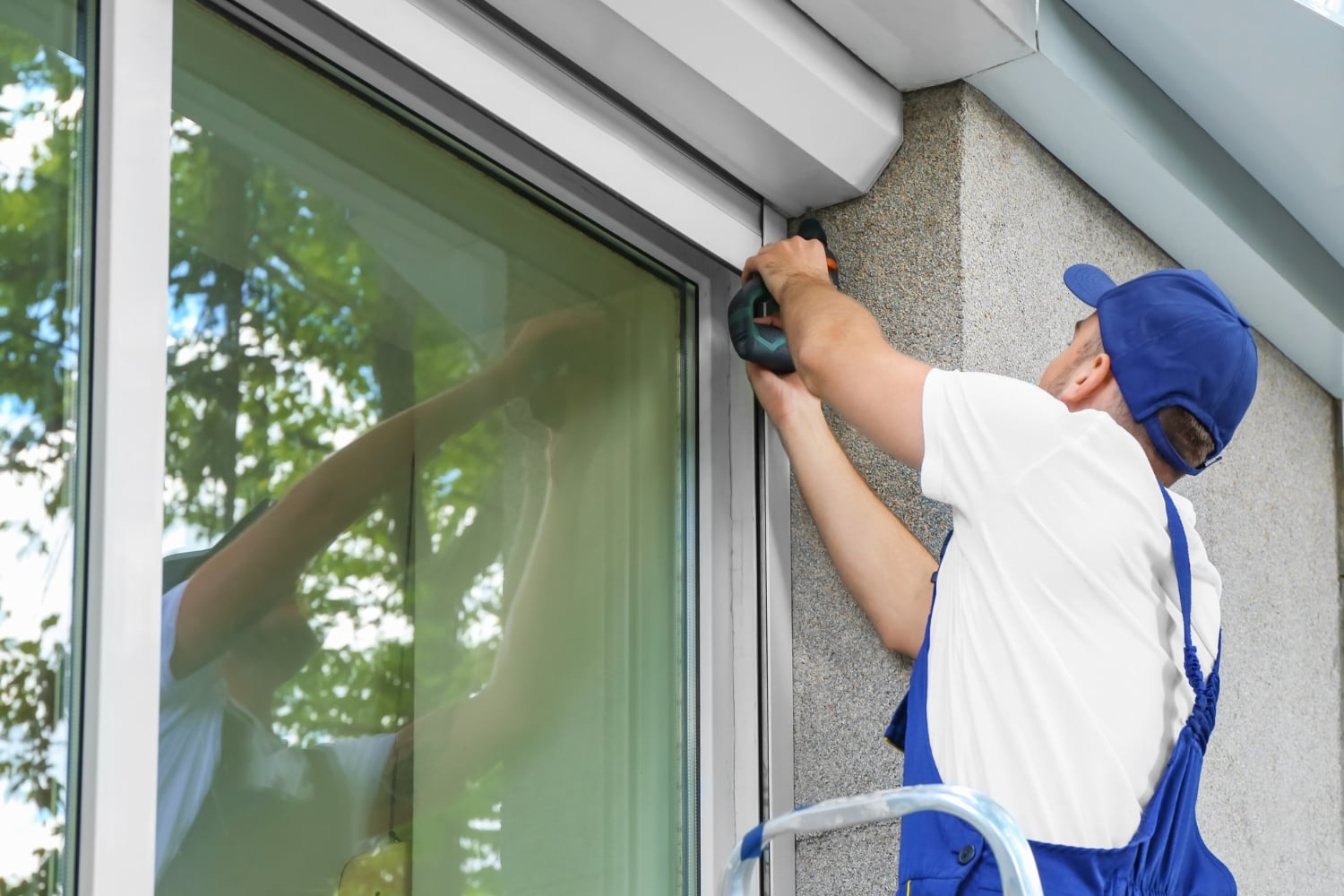
Position the frame inside or outside the window recess depending on how you want the shutters to sit. Use a spirit level to check that it is straight before securing it. A level frame ensures that the panels will open and close evenly without scraping or leaving gaps.
Drill small pilot holes before inserting the screws to prevent the frame from splitting or cracking. Tighten the screws carefully so the frame stays firm but not distorted. Check the diagonal corners with a tape measure to confirm that both sides are even. If the numbers do not match, adjust the frame slightly before moving to the next step.
Taking the time to get this part right helps the shutters align perfectly once installed.
5. Hang the Panels
Attach the panels to the hinges once the frame is secure. Start from one side and make sure each panel sits evenly within the frame. Use a screwdriver to fasten the hinges carefully so the panels move freely without scraping the edges.
Open and close each panel to test the movement. If the blades do not tilt smoothly, loosen the hinge screws slightly until they move without resistance. Check that the panels meet in the middle without showing light through the gaps.
Small adjustments at this stage make a big difference to how the shutters operate. When the panels are level and the blades open smoothly, you know the installation has been done correctly.
6. Finishing Touches
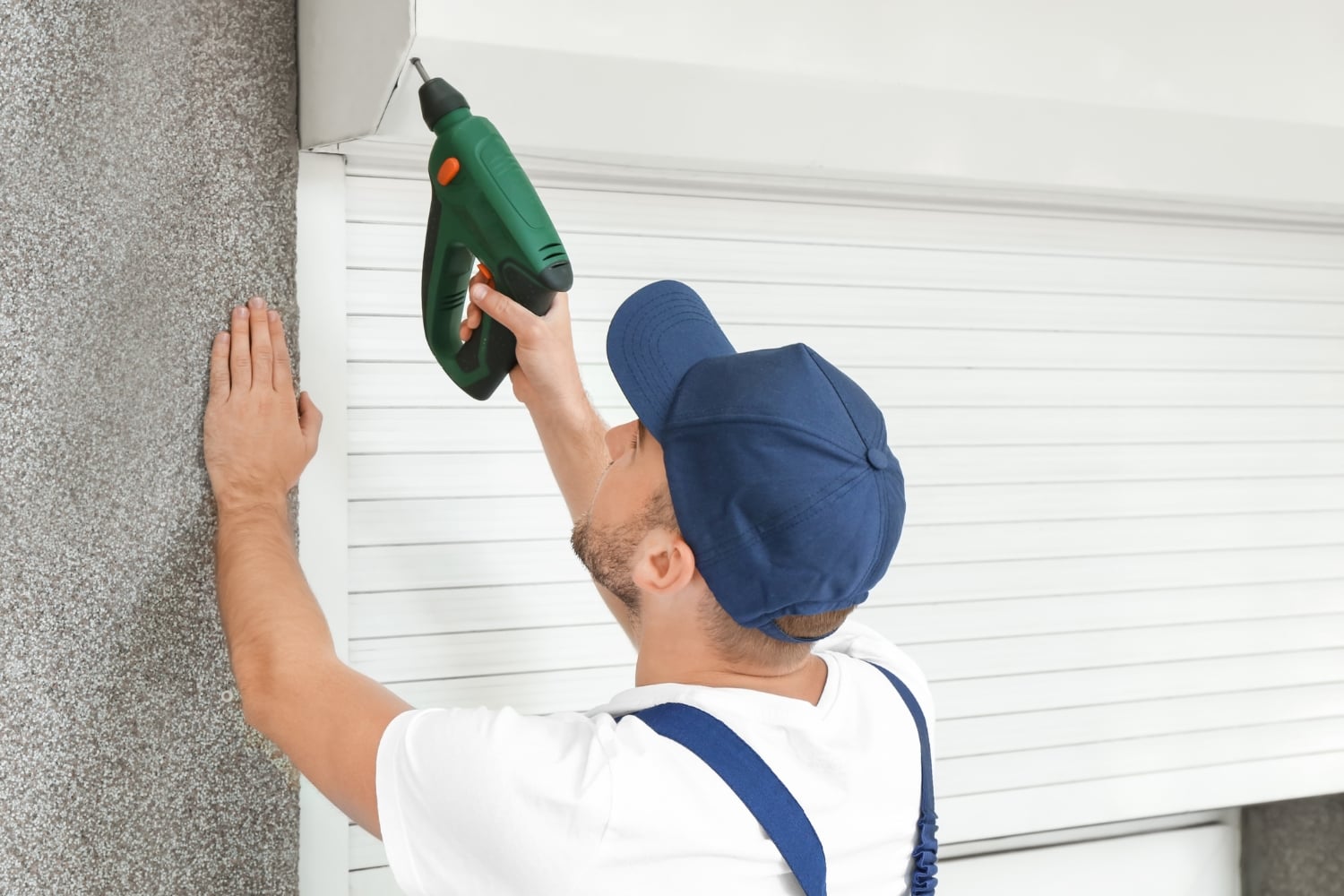
Once the panels are fitted, test each one to make sure it opens and closes smoothly. Tilt the blades to check that they move evenly and that the latch catches properly. If something feels tight, make small adjustments until the movement is smooth and quiet.
Finish the edges with trim or a small bead of caulk to give the frame a neat, built-in look. Wipe away any dust or fingerprints with a soft cloth, avoiding strong cleaners that could damage the finish.
Spend a few minutes checking every panel before you finish. A careful final check ensures the shutters look even, work well, and stay in good condition for years.
7. Doing It Yourself? Here’s Some Help
If you plan to install the shutters yourself, take your time and follow each step carefully. The key to a good result is accuracy and patience. Make sure the tools are ready before you start, including a drill, screwdriver, tape measure, and spirit level.
It can help to have another person nearby when lifting and positioning the panels, especially for larger windows. Check your progress often to make sure each section stays level and the panels sit flush.
For detailed visuals and installation tips, visit our installation guide for practical advice and examples that show how each stage should look.
8. Prefer to Leave It to the Experts?
If installing shutters feels like too much work, professional installers can handle the job for you. A qualified team will measure the windows accurately, fit the frames securely, and check that every panel opens and closes the way it should. It saves time and removes the stress of dealing with small alignment issues.
Local specialists in Newcastle, Lake Macquarie, and the Hunter region install shutters for homes and businesses every week. They have the tools and experience to complete the work neatly and efficiently.
If you want the job done properly, contact us for a quote. The team can measure, fit, and tidy up once the work is finished, leaving your windows looking clean and well fitted.
Bringing It All Together
Installing shutters takes a bit of patience, but the result is worth the effort. Once fitted correctly, shutters transform a room by improving light control, privacy, and airflow while adding a clean and polished finish. Each careful step, from measuring to alignment, helps ensure the panels stay even and work smoothly for years.
Whether you choose to install them yourself or hire a professional, a well-done job makes a noticeable difference. Shutters are one of those upgrades that look simple but bring lasting comfort and style to your home.
For professional installation or local advice, get in touch with Newcastle Shutters. The team can measure, fit, and make sure your shutters look perfect from the start.
Frequently Asked Questions
Can I install window shutters without professional help?
Yes, it’s possible to install them on your own if you follow the steps carefully. Accurate measuring and a level frame are the most important parts of the process.
How do I know if my frame is straight before installing shutters?
Check the frame with a spirit level and measure both diagonals. If the numbers are not the same, make small adjustments before fixing the frame in place.
What should I do if the panels do not close evenly?
Check the hinges and adjust them slightly until the panels sit flush. This small fix usually solves alignment problems.
Do I need special tools to install shutters?
No special equipment is required. A drill, screwdriver, spirit level, and tape measure are enough for most installations.
How can I make sure my shutters stay in good condition after installation?
Tighten the screws, clean away dust, and check that everything moves smoothly. A careful setup helps the shutters last longer and stay aligned.