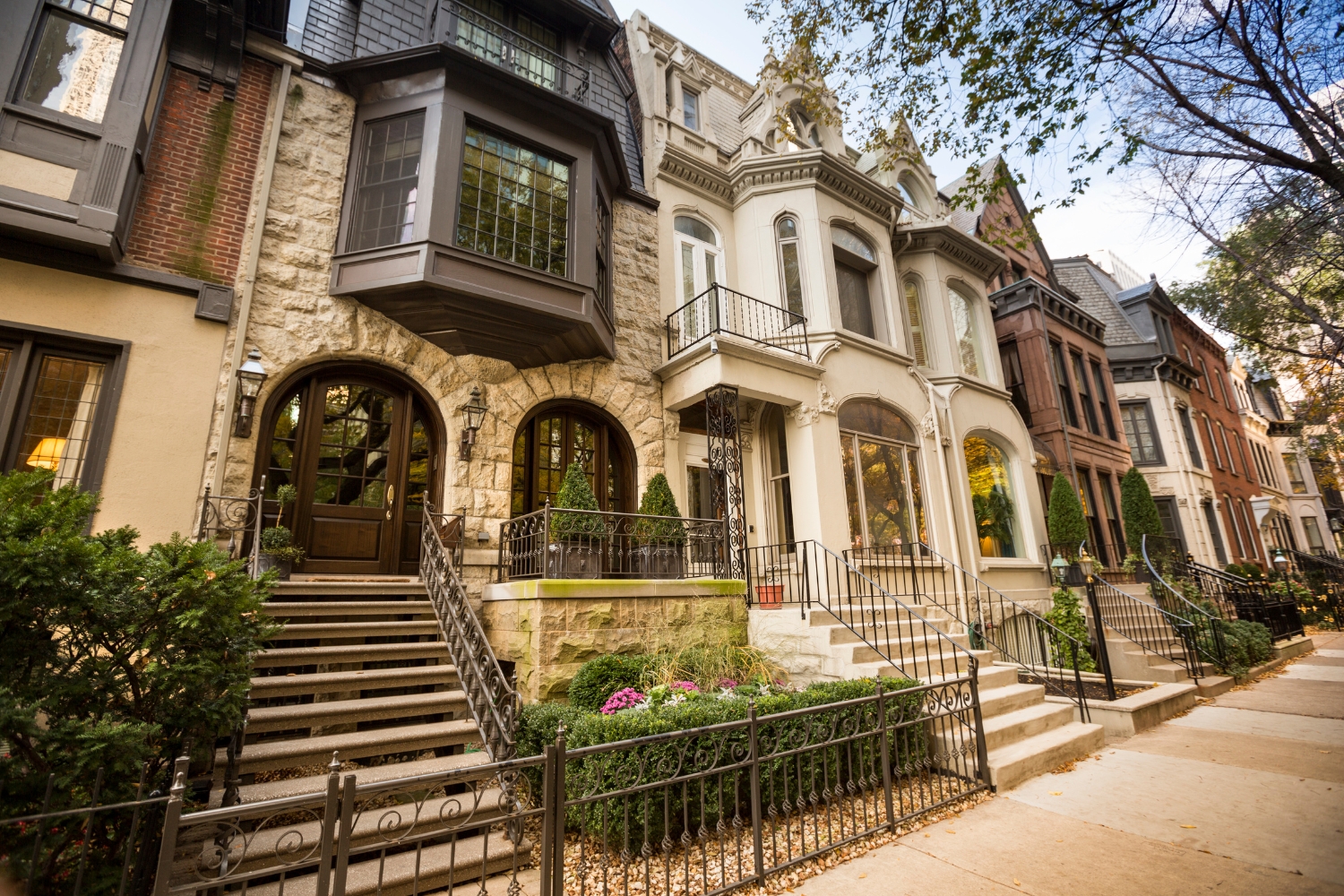

Window coverings have always been part of how people make their homes comfortable. From keeping the heat out to holding warmth in, they help create spaces that feel inviting and lived in. Many of the styles we see today come from centuries of change and creative ideas.
In this article, we take a closer look at how window coverings evolved from simple reeds and cloth to the shutters and blinds now found in homes across Newcastle and the Hunter region. Their story shows how design and practicality have always gone hand in hand, shaping the way we live and decorate our spaces.
1. Ancient Beginnings
Window coverings have existed in some form since the earliest homes were built. In ancient Egypt, people used woven reeds and papyrus to reduce sunlight and heat. These simple materials helped keep rooms cool and provided privacy in a warm, dry climate.
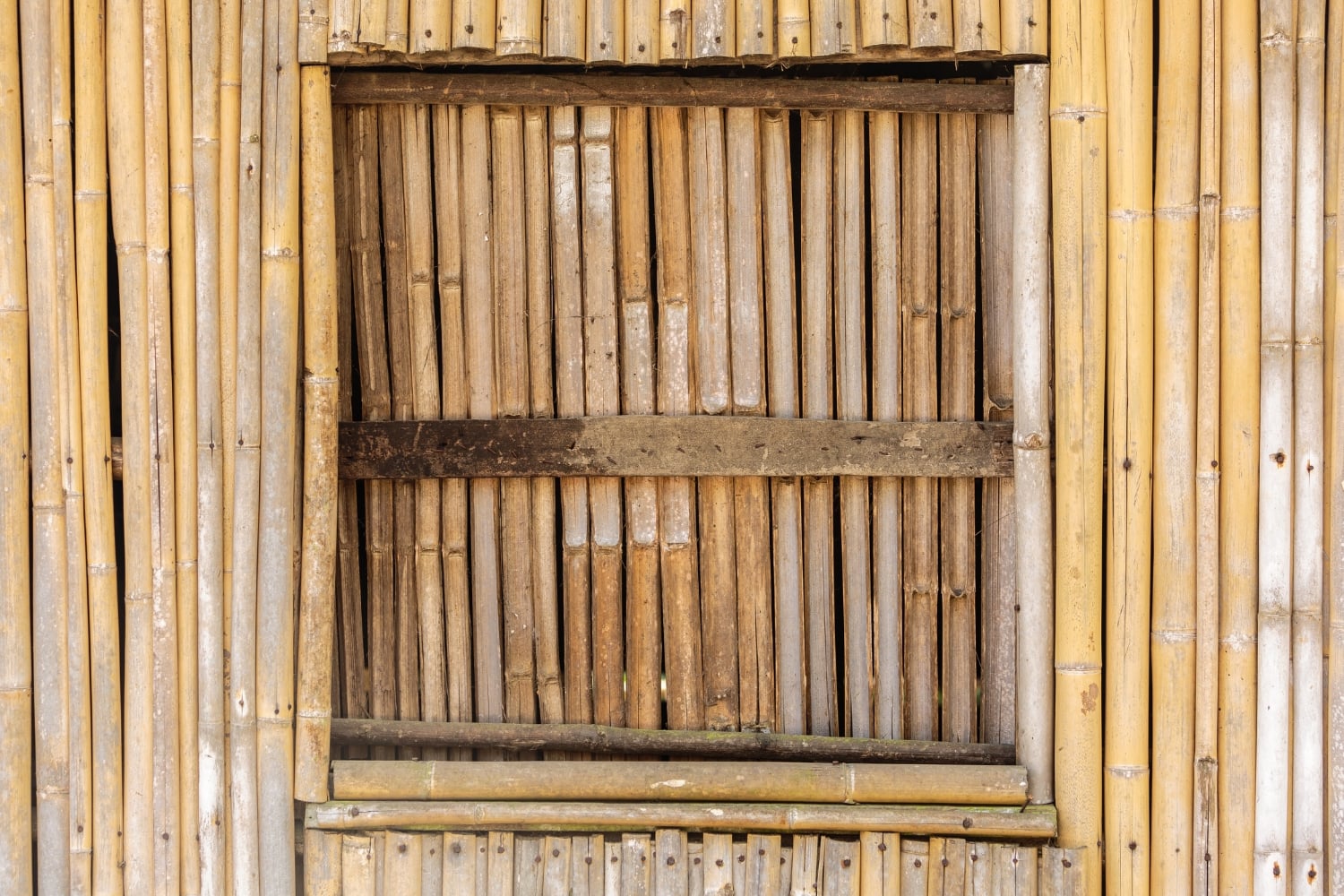
In China, bamboo shades served a similar purpose, offering shade and a natural look that blended with traditional architecture. In colder regions, early communities used animal hides and heavy cloth to trap warmth and block cold air. Although basic, these early coverings showed how people used available materials to improve comfort and protect their homes from the elements.
2. Medieval to Renaissance
During the Medieval period, most homes had small or uncovered windows, so heavy fabrics and wooden shutters were used to block wind and rain. These coverings were practical and strong, helping people stay warm in cold stone houses. In wealthier households, curtains also showed social status. Rich fabrics such as velvet, silk, and brocade added colour and luxury to living spaces.
As the Renaissance period arrived, glass windows became more common, and window coverings evolved into decorative features. Curtains gained layers, trims, and tassels, blending beauty with function. Homeowners began to see them as part of interior design rather than simple protection from the weather.
3. The Victorian Era
The Victorian era brought elegance and attention to detail into every part of the home, including windows. Curtains became more elaborate, with layers of heavy fabric, fringes, and ornate trims that matched the richly decorated furniture of the time.
Popular colours included:
- Burgundy
- Green
- Gold
Shutters also stayed popular, offering privacy and insulation behind the curtains. The combination of rich fabrics and practical timber panels reflected both beauty and function. Window coverings were no longer simple household items; they became key elements of interior design and a clear display of personal taste.
4. The 20th Century
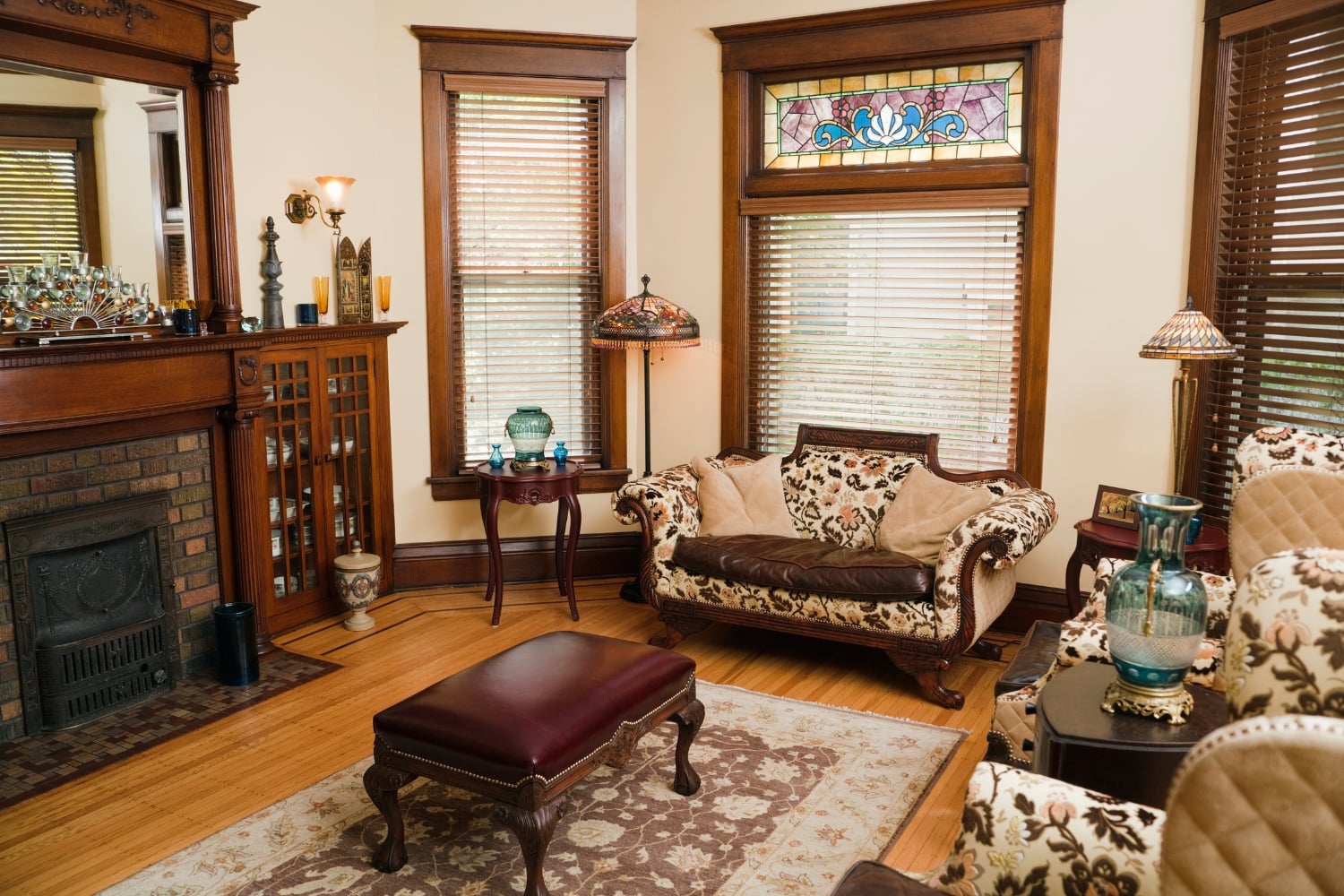
The 20th century changed how people decorated their homes, including the way windows were covered. As manufacturing improved, window coverings became more affordable and easier to install. Roller blinds and Venetian blinds grew popular for their clean look and practical use. Lightweight curtains also became common in everyday homes.
Early in the century, design trends moved toward simplicity and open spaces. After the war, new synthetic fabrics offered durability and choice in colour and texture. The 1960s and 70s introduced bolder styles, with strong patterns and vibrant tones reflecting individuality and creativity. Window coverings became a way for homeowners to express style while keeping comfort and function in mind.
5. Contemporary Designs
Modern window coverings combine style, comfort, and technology. Homeowners today can choose from a wide range of materials, including natural timber, durable PVC, and motorised systems that make everyday use simple. The goal is to create spaces that look good and perform well in different conditions.
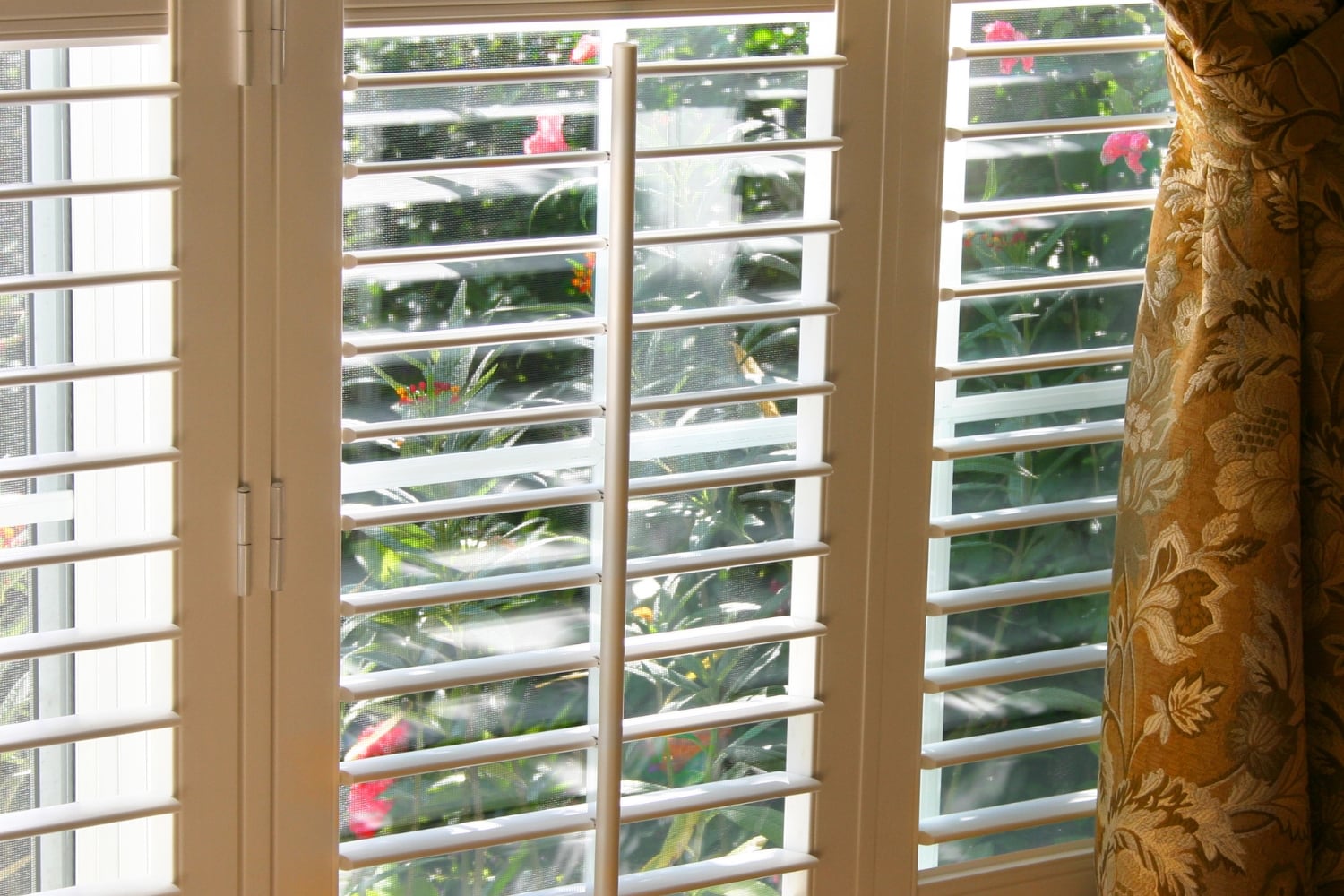
Plantation shutters continue to be a timeless choice in homes across Newcastle and the Hunter region. Their clean lines and adjustable panels allow for privacy and natural light control without cluttering the room. When paired with soft fabrics or light sheers, they suit both traditional and modern interiors, showing how classic designs still hold value in contemporary homes.
Explore the full range of options available on our Products page.
6. Looking Ahead
Window coverings continue to evolve as new materials and smart technology change the way homes are designed. Motorised blinds and automated shutters can now be controlled through remotes, phones, or voice commands, offering greater comfort and efficiency. Sustainability is also shaping modern design, with more homeowners choosing eco-friendly and energy-saving options.
Future trends focus on combining tradition with innovation. Natural materials, soft colours, and smart systems create interiors that feel comfortable while supporting modern living. Whether it is classic timber shutters or automated blinds, the next generation of window coverings will keep improving the balance between beauty, comfort, and practicality.
Reflecting on the Past and Present
The history of window coverings shows how people have always looked for ways to make their homes more comfortable and practical. From reeds and animal hides to smart blinds and energy-saving materials, every era has added something new to how we shape our living spaces.
What started as simple protection from the elements has become an important part of interior design. Today’s homeowners can enjoy styles that combine tradition with innovation while still meeting everyday needs. For high-quality shutters and blinds that suit homes across Newcastle and the Hunter region, get in touch with Newcastle Shutters.
Frequently Asked Questions
What were the first window coverings made from?
Early coverings used natural materials such as reeds, papyrus, and animal hides. These were practical solutions for controlling sunlight, warmth, and airflow in ancient homes.
When did curtains become part of home design?
Curtains became popular during the Renaissance when homes began featuring larger glass windows. They were valued for adding comfort and colour to interior spaces.
How have materials for window coverings changed over time?
Natural fabrics and timber were once common, but modern coverings now include PVC, aluminium, and smart fabrics designed for easier care and better energy control.
Why are plantation shutters still a favourite today?
They offer a clean, classic look that suits many styles. Adjustable panels allow homeowners to manage light and privacy without making rooms feel enclosed.
What is shaping the future of window coverings?
Smart home technology and sustainability are leading trends. Automated systems and eco-friendly materials are helping modern homes stay efficient and comfortable.